Balancing Efficiency and Versatility in Fashion Styling:
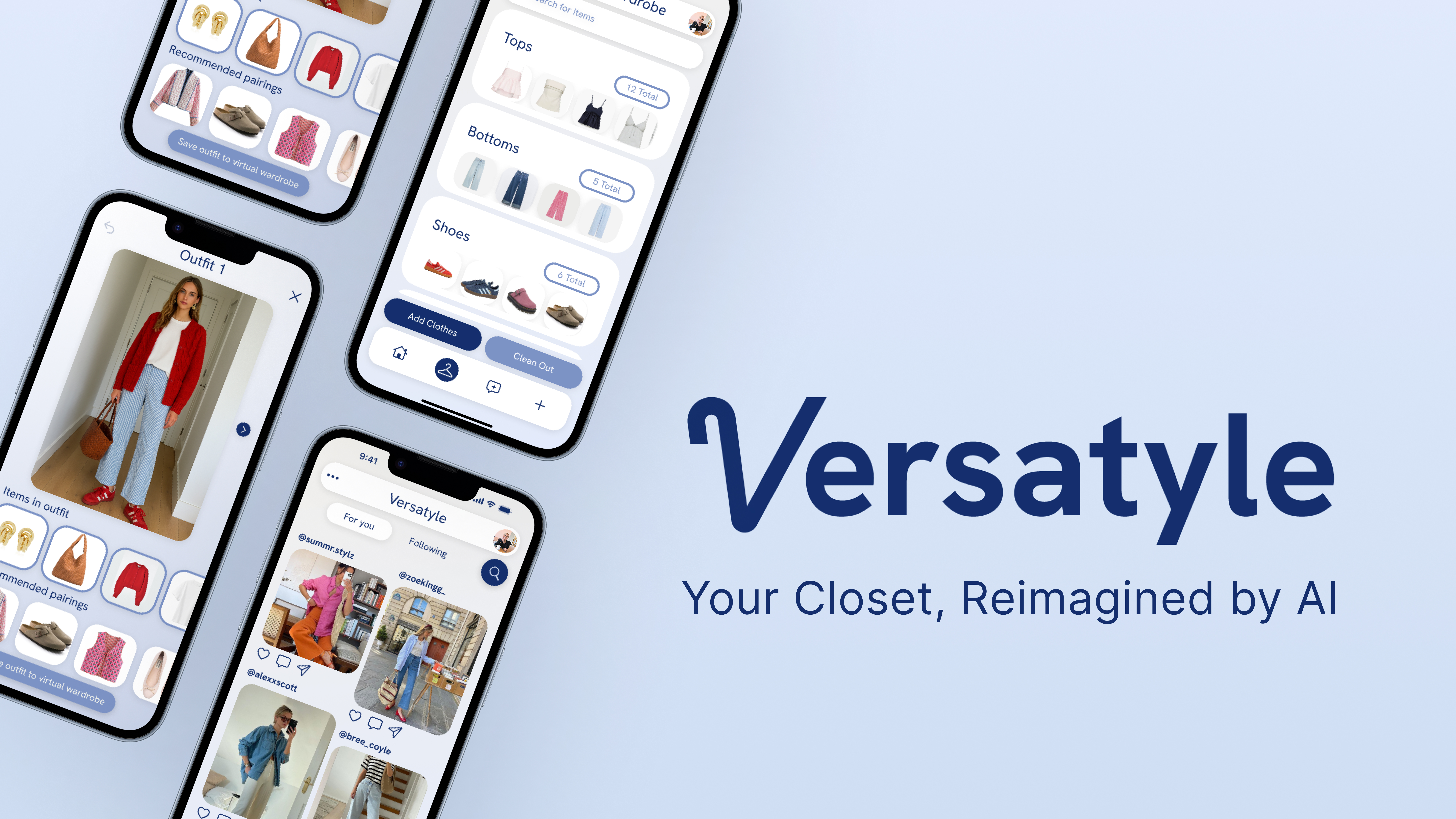
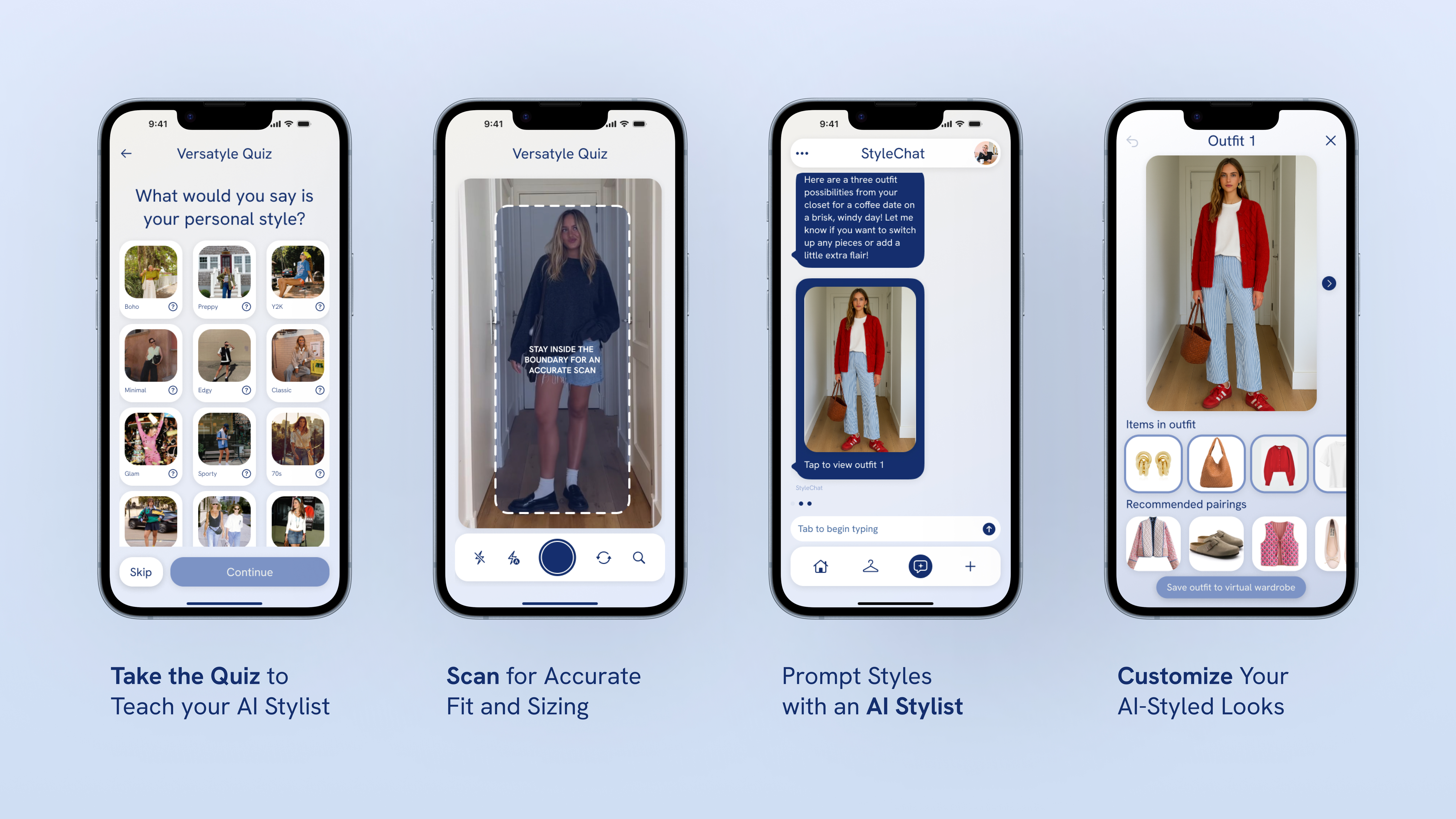
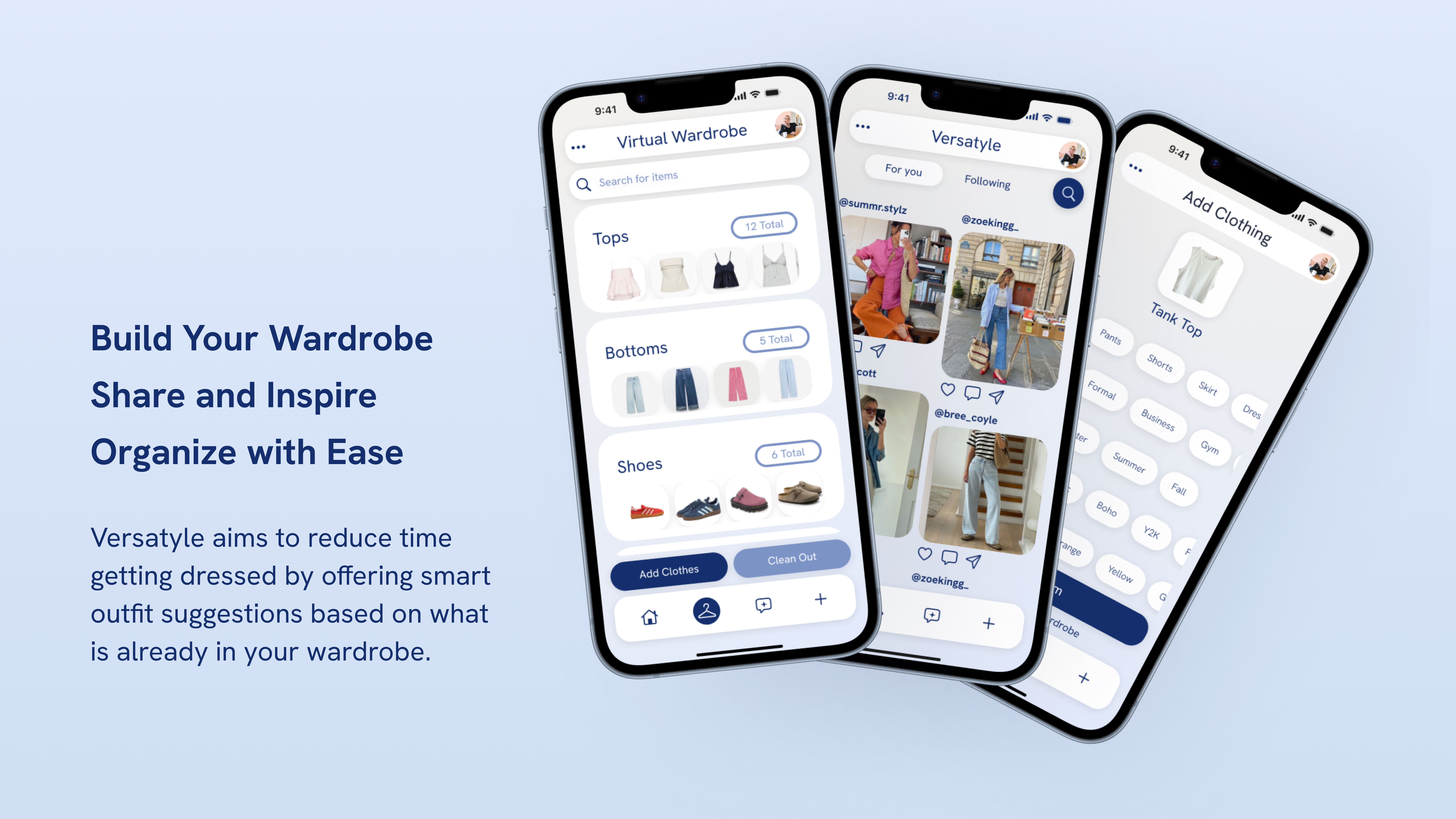
Providing solutions for those who seek to enhance and maximize their wardrobe without the outfit-planning hassle through an AI-powered, community-driven fashion app for personalized styling, wardrobe management, and creative outfit inspiration.
Problem
Styling outfits that truly reflect a personal aesthetic while maximizing wardrobe use and staying within budget can be a significant challenge. The problem is that…
Users face difficulties in creating styles that match their signature look while managing their existing wardrobe to maximize its use.
Context
My goal is to help users bridge this gap by providing a solution that simplifies outfit planning, maximizes wardrobe potential, and supports the creation of signature looks with ease and confidence.
Read More
In a world where personal style is a key form of self-expression, many individuals struggle to create looks that consistently reflect their unique aesthetic. With ever-changing fashion trends and an abundance of choices, it can be challenging to curate outfits that align with their signature style while effectively utilizing their existing wardrobe.
Many users find it difficult to mix and match pieces in a way that feels fresh and intentional, often leading to outfit fatigue or unnecessary purchases. Without the right tools or guidance, managing a wardrobe efficiently while maintaining a cohesive personal style becomes overwhelming.
Audience
The intended audience for this fashion challenge includes individuals aged 18-40+ who are style-conscious and seek to define their signature look. These users often struggle to create cohesive outfits that fully utilize their existing wardrobe. Our goal is to help them maximize their clothing options, making styling easier and more intentional. To achieve this, I will leverage AI-powered styling tools like Style DNA and Stylee to provide personalized outfit recommendations and wardrobe management solutions.
Secondary Research – Competitive Analysis
Before diving deep into the development of Versatyle, it was crucial to examine the current landscape of fashion-related apps that intersect with sustainability, personalization, and user accessibility. Through secondary research, I explored three key competitors—Good On You, Stitch Fix, and ThredUp—to understand their unique strengths, user experiences, and technological offerings.
Each app tackles a facet of the fashion dilemma: from promoting ethical brands to offering curated personal styling, or streamlining secondhand shopping. This investigation not only informed the features Versatyle needs to compete with, but also highlighted existing gaps in the market—such as lack of styling personalization in ethical brand apps or limited sustainability awareness in AI-based styling platforms. Understanding these nuances empowers Versatyle to strategically combine the best of all worlds: environmentally conscious choices, individualized style inspiration, and effortless user experiences.
Proposed Solution
Based on my secondary research and competitive analysis, I’ve found that maximizing wardrobe use and defining a personal style can be supported through multiple avenues. Apps like Good On You help users make informed shopping decisions, while platforms like ThredUp enable them to extend the life cycle of clothing through secondhand shopping. In my app, I aim to provide users with flexible solutions that help them curate outfits using their preexisting clothing selection that align with their signature style. By offering diverse styling and wardrobe management tools, users can personalize their approach to fashion sustainability in a way that best fits their lifestyle.
After everything I’ve learned about these three major competitors, I then drafted a few “How Might We” questions on what types of solutions our app desires to provide. As listed in the image below, five how might we questions were then drafted, and then from that I went to the design challenge framing worksheet to further elaborate the desired solutions.
The main HMW question from the design challenge framing worksheet was…
How might we design an app to provide informative and personalized fashion advice that allows users to easily express their signature look while maximizing their current wardrobe?
Empathize
To better understand the needs, challenges, and goals of our target users, I conducted interviews with three participants. These individuals represent diverse life stages—ranging from a college student to an early-career professional and a busy, style-conscious mother.
Read More
The insights gathered revealed common struggles with inconsistent sizing, wardrobe underutilization, and balancing style with practicality. Participants frequently seek fashion inspiration online but face difficulties when outfit searching, such as overwhelming combination choices and limited time for exploring style variations. All expressed enthusiasm about AI-driven solutions that could enhance their wardrobe styling experience by offering personalized outfit recommendations and improving shopping efficiency. This information provides a foundation for user-centered design solutions tailored to
their needs.
User Demographic Information
M. Zeischang
Recent graduate and early-career individual managing student loans
A. Perry
College student navigating personal style after a history of wearing uniforms
T. Schuermann
Empty-nester balancing practicality and style while shopping for herself and her family
Interview Insight: Discovering User Needs
Shopping and Style Priorities
- M. Zeischang prioritizes price and comfort due to student loan payments. She seeks workwear that strikes a balance between professionalism and comfort.
- A. Perry emphasizes comfort and fit due to her recovery from knee surgery. She’s focused on expressing her personality through clothing after years of wearing uniforms.
- T. Schuermann values quality and timeless style but also considers current trends to stay modern. She shops for both herself and her daughters.
Inspiration and Shopping Behavior
- All participants find outfit inspiration through Instagram, Pinterest, and other online sources.
- They encounter issues with inconsistent sizing and often find online shopping returns to be a hassle.
Wardrobe Utilization
- Each participant struggles to fully utilize their wardrobe due to difficulties mixing and matching pieces.
AI as a Potential Solution
- Participants expressed interest in using AI to recommend outfits and style combinations, which could improve wardrobe utilization and reduce shopping inefficiencies.
Empathy Mapping
Following the interviews, I used the insights gathered to create detailed empathy maps for each participant. These empathy maps helped visualize and categorize what each user says, thinks, feels, and does, providing a holistic understanding of their perspectives and experiences.
Read More
For each interviewee, I identified key statements reflecting their thoughts and priorities, such as M. Zeischang’s focus on affordability and work-appropriate clothing. I then explored underlying thoughts, such as frustrations with inconsistent sizing and the challenges of wardrobe utilization. The empathy maps also captured emotional responses, like feelings of frustration, excitement, and curiosity toward fashion and technology. Finally, I documented their behaviors, including shopping habits, reliance on online inspiration, and their openness to using AI for outfit suggestions.

Define
In the define stage, we worked as a team and synthesized insights from the empathize process to create a detailed understanding of our target user through a persona and user journey map. We each individually composed our own persona and journey map that best aligns with our own app’s target user.
Read More
My finalized persona is Robyn Elliot, a budget-conscious young professional who seeks a balance between style, practicality, and budget constraints while preparing for important events like work conferences. Through her user journey map, I identified key pain points such as difficulty finding inspiration, underutilization of her wardrobe, and challenges balancing weather and formality. By understanding these needs and frustrations, I can define opportunities for solutions that provide outfit inspiration, personalized styling guidance, and wardrobe organization to help Robyn feel confident and prepared for any occasion.


Ideate
Storyboarding
Individually, I began by storyboarding potential solutions, focusing on user pain points and mapping out key interactions that would enhance the overall fashion app experience. My initial sketches explored the users’ journey on how to style an outfit for a special event with a specific theme. It ensures intuitive navigation while addressing key user needs such as style personalization and effortless outfit assembly.
Read More

User Need to Data Need Mapping
As a team, we conducted a structured mapping exercise to translate user needs into specific data requirements. Our team categorized user needs such as:
- Personalized fashion recommendations
- Efficient browsing and filtering
- Trend/personal style developed algorithm
For each need, we identified essential data inputs, including user preferences, browsing and reaction history, and real-time inventory of users’ wardrobe. A key insight from this exercise was recognizing the importance of dynamic data updates to ensure an adaptive and personalized experience. By doing this exercise we were able to create a more effective framework for our app’s functionality.
User Flow Diagram
Individually, I developed a user flow diagram that outlined the key touch points in the fashion app, ensuring logical transitions between different user actions. My version included pathways for browsing, filtering, saving outfits, and receiving style recommendations. The user flow diagram provides a clear representation of how users move through the app, from onboarding to outfit organization, making the process seamless and engaging.